Choosing the right lighting color temperature is crucial for enhancing any space. The "Lighting Color Temperature Guide" provides valuable insights for buyers. Research shows that color temperature affects mood and productivity significantly. For instance, a 2021 report by the Illuminating Engineering Society highlights that cooler temperatures, around 5000K, boost concentration in work environments.
Versatile lighting can transform areas from cozy to vibrant. Warm white light (around 2700K) creates a welcoming atmosphere in homes, while cooler tones are ideal for offices. However, many consumers underestimate the importance of these nuances. An article from Light & Color suggests that over 60% of buyers do not consider color temperature when making lighting decisions.
This gap in knowledge emphasizes the need for education in selecting proper lighting. It may lead to dissatisfaction if the wrong temperature is chosen. Understanding color temperature is more than aesthetics; it impacts energy levels and well-being. By following this guide, buyers can make informed choices that enhance their spaces effectively.
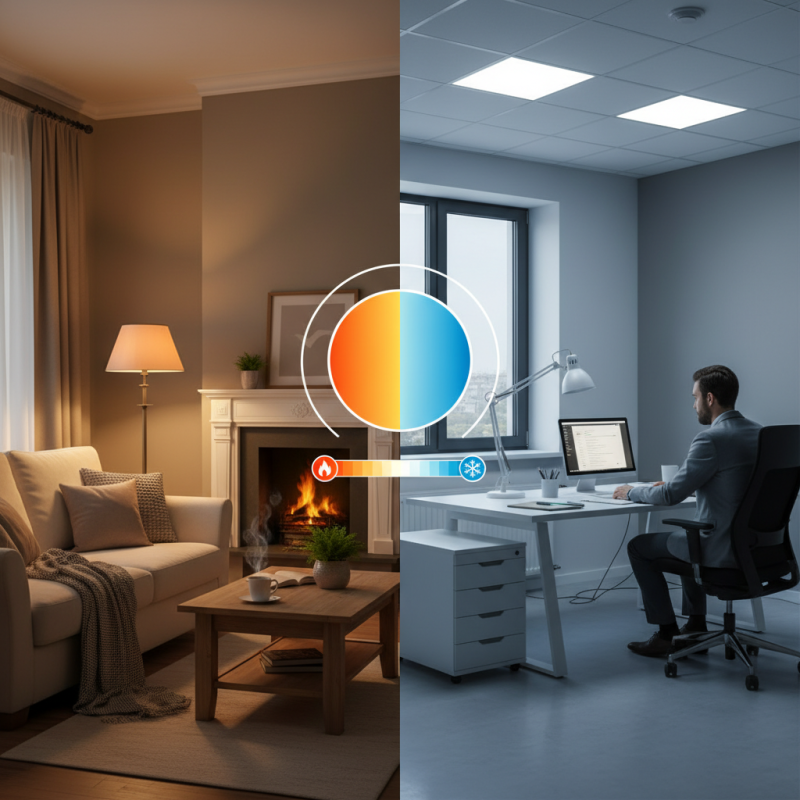
Understanding Color Temperature: What Is It and Why It Matters
Lighting color temperature plays a crucial role in setting the mood and enhancing any space. Typically measured in Kelvin (K), color temperature influences how we perceive light. Warm light, around 2700K to 3000K, creates a cozy atmosphere, ideal for living rooms. In contrast, cooler shades at 4000K to 5000K promote alertness, perfect for workspaces.
According to the International Lighting Society, nearly 60% of people consider color temperature before making a lighting purchase. Yet, many buyers overlook this key feature. For example, a study by the Energy Trust of Oregon found that only 35% of consumers understood the implications of different color temperatures on their energy use.
The choice between warm and cool light is not just aesthetic. It affects productivity and well-being. Research from the Lighting Research Center indicates that improper color temperatures can lead to eye strain and fatigue. Many people are unaware of the impact lighting has on their daily lives.
Selecting the right color temperature can enhance comfort and efficiency. Thus, understanding it is more important than ever.
The Kelvin Scale: Decoding Temperature Ranges from Warm to Cool
Understanding the Kelvin scale is essential for selecting the right lighting. The Kelvin (K) temperature scale measures light's color appearance. It ranges from warm, yellowish tones to cool, bluish hues. Typically, a warm light falls between 2700K and 3000K. This range is ideal for spaces meant for relaxation or creating a cozy atmosphere.
On the other hand, cool light typically ranges from 4000K to 6500K. Such lighting is suitable for workspaces and task-oriented areas. Studies show that cooler colors can enhance alertness and focus. For instance, a report by the Lighting Research Center found that cooler lighting can positively impact productivity in office environments. However, too much cool light can lead to discomfort.
Many buyers struggle with the choice of color temperature. The right lighting can set a mood. Many homes use a mix of warm and cool lights. It provides both comfort and functionality. Lighting choices should reflect the purpose of each space. Failing to consider this can lead to an uninviting atmosphere or impede productivity. Balancing these temperatures can help to meet both aesthetic and practical needs.
Lighting Color Temperature Ranges
Impact of Color Temperature on Mood and Productivity in Workspaces
Color temperature plays a critical role in shaping workplace environments. According to a report by the
International Association of Lighting Designers (IALD), lighting that leans towards cooler temperatures—around 5000 to 6500 Kelvin—can enhance alertness and increase productivity levels. This range mimics natural daylight and promotes a more invigorating atmosphere. Employees working under these conditions often report higher energy and focus, which can lead to improved performance.
Conversely, warmer temperatures, situated around 2700 to 3000 Kelvin, create a more relaxed environment. Studies from the
American Society of Interior Designers reveal that these warmer hues can promote creativity and comfort, making them ideal for brainstorming sessions or collaborative workspaces. Yet, the challenge lies in balancing these temperatures. Too warm a setting can also induce drowsiness, which may detract from overall productivity.
Choosing the right color temperature requires careful consideration. Different tasks may demand different lighting. An office space might benefit from cooler temperatures, while a lounge area could use warmer tones. It's essential to understand that individual preferences also vary, highlighting the need for flexibility in lighting design. This nuanced approach can help optimize both mood and productivity within diverse work environments.
Choosing the Right Color Temperature for Different Spaces and Applications
Choosing the right color temperature is crucial for creating the desired ambiance in any space. Warm white light, typically around 2700K to 3000K, is ideal for cozy areas like living rooms and bedrooms. It promotes relaxation and comfort. This light can make spaces feel inviting, appealing for gatherings. Conversely, cooler temperatures, between 4000K and 5000K, work well in work environments. They enhance concentration and alertness, making them suitable for offices and study areas.
Consideration of color temperature also changes based on functionality. In kitchens, a bright white light of around 5000K can illuminate tasks effectively, ensuring safety while cooking. Meanwhile, bathrooms benefit from a balance between warm and cool lights. A neutral temperature around 3500K can create a refreshing yet comfortable atmosphere. However, many people overlook how color temperature impacts their mood and productivity. It’s worth experimenting to find the right balance that suits personal preferences and activities.
Choosing lighting is not merely about aesthetics. Many fail to realize the effects of lighting color on daily life. Too harsh or inappropriate temperatures can lead to fatigue or discomfort. Always reflect on how light makes you feel in different spaces. That is key to creating a harmonious environment. Selecting the right color temperature requires thought and personal preference. The best choice is often one that feels just right for you, creating a welcoming atmosphere.
Essential Guide to Lighting Color Temperature for Buyers
| Application Area |
Recommended Color Temperature (Kelvin) |
Description |
| Living Room |
2700-3000K |
Warm, cozy light ideal for relaxing. |
| Kitchen |
3000-3500K |
Bright, but warm light for cooking and food prep. |
| Office |
3500-4000K |
Neutral light that enhances focus and productivity. |
| Retail Store |
4000-4500K |
Cool light that highlights products effectively. |
| Bathroom |
3000-3500K |
Bright, warm light for grooming and personal care. |
| Bedroom |
2700-3000K |
Soft, warm light for a relaxed atmosphere. |
| Gallery |
4000-5000K |
Daylight-balanced light for showcasing art. |
Industry Standards: Recommended Color Temperatures for Residential Lighting
Choosing the right color temperature for residential lighting is crucial for creating the desired atmosphere. The industry offers several recommendations based on different areas in your home. For example, warm white light (around 2700K) is ideal for living rooms and bedrooms. This color temperature fosters relaxation and comfort, perfect for winding down.
In kitchens and workspaces, a cooler color temperature of 4000K to 5000K is suggested. This bright, neutral light enhances focus and productivity. It mimics daylight, making tasks easier and safer. Keep in mind that too cool a color can feel harsh. Experimentation is key to finding what works best in your specific environment.
Lighting also impacts mood and perception. You might find that what looks great in a store doesn’t translate well at home. Testing different bulbs and fixtures before making a final decision is invaluable. Consider how your interior colors interact with light. Sometimes, a simple change can dramatically alter the space’s feel.
FAQS
: Warm white light around 2700K to 3000K is best for creating comfort and relaxation.
Cooler temperatures, between 4000K and 5000K, enhance focus and productivity in work environments.
A bright white light around 5000K is ideal for illuminating tasks safely while cooking.
Bathrooms benefit from a neutral temperature around 3500K, creating a refreshing yet comfortable atmosphere.
Improper color temperatures can lead to fatigue, while the right balance improves mood and enhances productivity.
Reflect on how lighting color makes you feel; it greatly impacts the atmosphere of your space.
Testing different bulbs and fixtures helps you find what works best for your unique environment.
Yes, interior colors interact with light, altering the overall feel of the space significantly.
Too cool a color can feel harsh and uncomfortable, affecting the comfort of the space.
The best choice often comes down to what feels right for you, enhancing the welcoming atmosphere.
Conclusion
The "Lighting Color Temperature Guide" provides essential insights into the concept of color temperature, explaining its significance in various settings. Understanding color temperature, measured in Kelvins, ranges from warm (around 2700K) to cool (above 5000K), affecting both the aesthetics and functionality of spaces.
The article emphasizes the psychological impacts of different color temperatures on mood and productivity, particularly in work environments. Additionally, it offers practical advice on selecting the appropriate color temperature for various applications, ensuring that spaces are not only visually appealing but also conducive to engagement and efficiency. Finally, it details industry standards for residential lighting, helping buyers make informed choices that enhance their living environments.

 Boray Light